Strategic Adaptations in Free-to-Play Tournament Formats Powered by Mobile Applications
Mara Richter · Aug 22, 2026
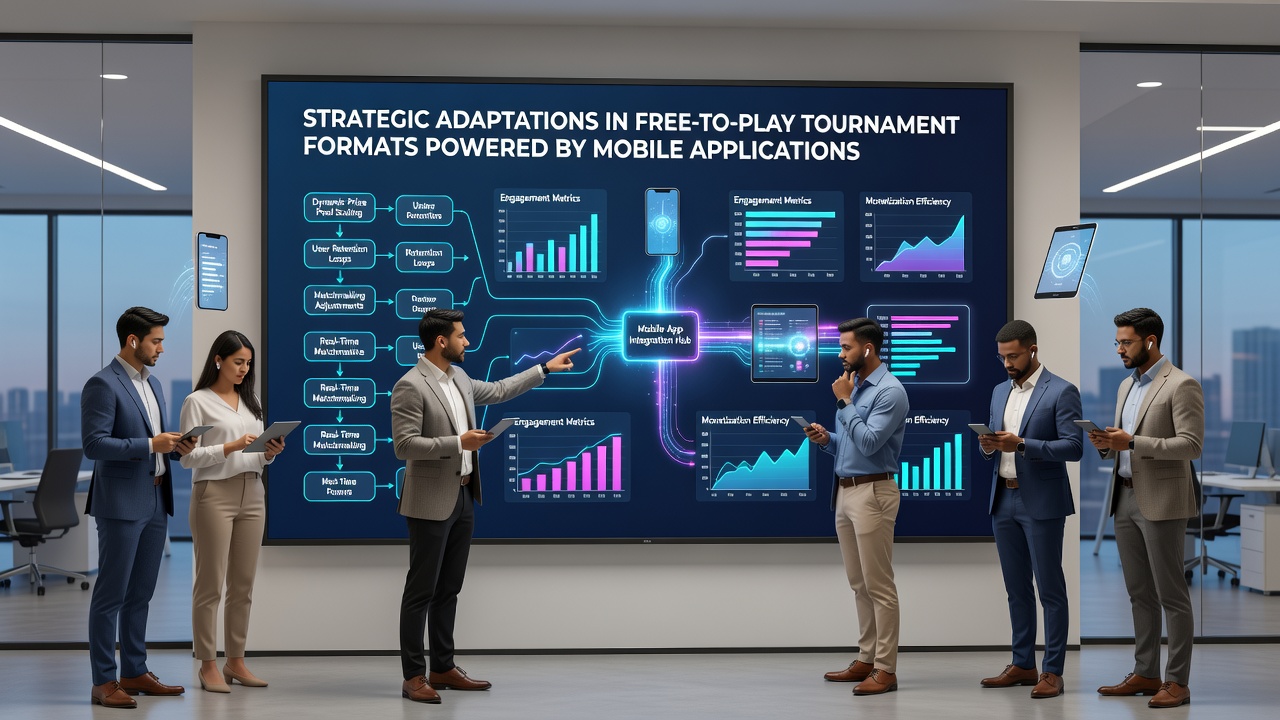
Strategic Adaptations in Free-to-Play Tournament Formats Powered by Mobile Applications
Free-to-play tournament formats have expanded rapidly through mobile applications, and developers have introduced features that allow participants to adjust their approaches based on real-time data, device capabilities, and community interactions. Observers note that these formats often rely on virtual currencies, ranking systems, and scheduled events that run across global time zones, which creates opportunities for players to refine entry strategies and resource allocation without financial barriers. In August 2026, industry reports highlighted continued growth in daily active users across major mobile platforms, with tournament participation metrics showing consistent increases in regions where smartphone penetration exceeds 85 percent.
Evolution of Tournament Structures in Mobile Environments
Mobile applications have shifted tournament designs from fixed bracket systems toward dynamic matchmaking algorithms that respond to player performance histories and connection stability. Researchers have documented how these algorithms prioritize skill-based grouping over random assignment, which reduces early-round mismatches and extends engagement periods. Data from multiple platform analytics indicate that sessions lasting between 15 and 40 minutes now dominate participation logs, prompting organizers to introduce shorter qualification rounds that feed into larger weekend events. Those who have tracked user behavior across several applications observe that integration of push notifications and in-app calendars helps maintain consistent attendance, while cross-device synchronization allows players to switch between phones and tablets without losing progress.
Player Adaptations to Mobile Constraints and Opportunities
Participants in these tournaments frequently modify their decision-making processes to account for touch-screen controls, variable network conditions, and battery limitations. Studies conducted by academic teams at several universities show that successful players develop muscle memory for quick menu navigation and learn to interpret latency indicators before committing to high-stakes moves. Many also adopt resource management techniques such as timing power-up usage during peak server activity or conserving device resources during extended qualification phases. Evidence suggests that community forums and in-app chat functions serve as primary channels for sharing these tactical adjustments, creating informal knowledge networks that evolve alongside each new software update.
Technological Features Driving Strategic Shifts
Modern mobile applications incorporate cloud-based leaderboards, automated replays, and AI-assisted coaching tools that supply participants with performance breakdowns after every match. These elements enable individuals to identify patterns in their opponents' playstyles and adjust counter-strategies before subsequent rounds begin. Figures released by platform operators reveal that users who review replay data at least three times per week demonstrate measurable improvements in win rates compared with those who skip post-match analysis. Furthermore, integration with wearable devices allows real-time monitoring of physical fatigue indicators, which some competitors factor into decisions about when to enter or exit ongoing events.

Security protocols and anti-cheat systems have also influenced adaptation patterns, because players must now verify device integrity and avoid third-party modifications that could result in temporary or permanent exclusion. Regulatory frameworks in several jurisdictions require clear disclosure of algorithmic ranking criteria, and organizations such as the Entertainment Software Association have published guidelines that encourage transparent communication between developers and users. In parallel, data collected by the Australian Communications and Media Authority indicates rising interest in accessibility options that accommodate players with different motor skill levels, which has led to customizable control schemes becoming standard in many applications.
Market Data and Participation Trends Through Mid-2026
Analytics platforms tracking free-to-play ecosystems report that tournament entries surpassed 1.2 billion across leading mobile titles during the first half of 2026, with peak activity occurring on weekday evenings in North American and European time zones. Observers note that regional variations exist, because players in high-latency areas tend to favor turn-based formats over real-time action while those with stable connections explore faster-paced brackets. Developers respond by offering multiple concurrent tournaments that cater to different connection profiles, thereby broadening overall reach without compromising competitive integrity.
Conclusion
Strategic adaptations in free-to-play mobile tournaments continue to reflect the interplay between software capabilities, regulatory expectations, and player ingenuity. As applications incorporate more sophisticated analytics and cross-platform tools, participants refine their approaches to maximize limited device resources and time availability. Market indicators from August 2026 suggest sustained expansion, supported by transparent guidelines from industry bodies and ongoing technical improvements that maintain fair access across diverse user bases.