Connections Between Daily Leaderboard Achievements and Exclusive Tournament Access in Virtual Poker Platforms
Kai Krause · Oct 26, 2026

Connections Between Daily Leaderboard Achievements and Exclusive Tournament Access in Virtual Poker Platforms
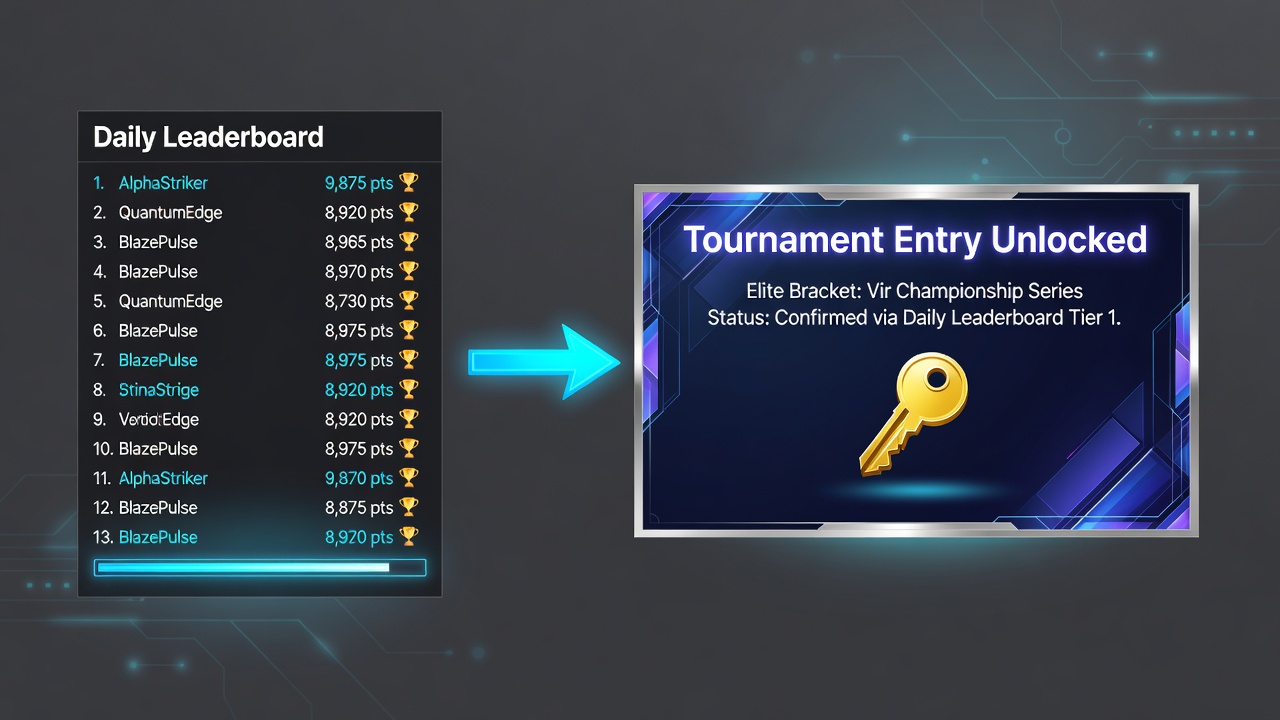
Virtual poker platforms maintain systems where daily leaderboard performance directly determines eligibility for closed tournaments, and operators track player metrics such as points accumulated from cash game volume, win rates, and session duration to populate these rankings each day. Players who reach top positions receive automated invitations that unlock entry into events restricted to leaderboard qualifiers, and these mechanisms operate across multiple software providers that standardize the process through integrated tracking modules.
Mechanics of Daily Leaderboard Qualification
Platforms calculate daily standings by aggregating data points from completed hands, and teh resulting scores determine tiered access levels that range from satellite entries to direct seats in high-stakes exclusives. Research indicates that algorithms reset at midnight UTC across most major sites, which creates consistent daily cycles while players monitor real-time position updates through mobile and desktop clients. Those who study these systems note that bonus multipliers apply to specific game types, and this structure encourages concentrated play during peak hours when point accrual accelerates.
Data from industry reports shows that participants who maintain consistent top-ten finishes over consecutive days accumulate qualification tokens faster than sporadic performers, and these tokens convert into tournament entries without additional buy-in requirements. Observers note that the correlation strengthens during promotional periods when platforms increase leaderboard prizes to sustain engagement volumes.
Integration With Tournament Entry Protocols
Exclusive tournaments often reserve 30 to 50 percent of their fields for leaderboard qualifiers, and this allocation appears in official rules published by operators before each series begins. In October 2026 several platforms adjusted their point formulas to weight recent performance more heavily, which shifted qualification patterns toward players who logged extended sessions during the preceding week. According to statistics released by the Nevada Gaming Control Board, virtual poker activity in regulated markets grew by 12 percent year-over-year during that period, partly driven by these qualification pathways.
Entry notifications arrive via in-app messages and email, and recipients must confirm participation within set windows to secure their seats. Those who miss the confirmation window forfeit the slot, which then rolls to the next eligible player on the list. This automated handoff maintains field integrity while preventing unfilled seats in events that carry significant prize pools.
Regional Regulatory Influences on Qualification Systems
Regulators in different jurisdictions impose transparency requirements on how platforms disclose leaderboard criteria, and these rules affect the visibility of qualification pathways for users. A study published by researchers at the University of Sydney examined player behavior across Australian-licensed sites and found measurable increases in daily session length among those chasing leaderboard thresholds. Platforms respond by publishing updated formulas on their help centers, which allows participants to calculate required activity levels in advance.
Canadian provincial gaming authorities have similarly documented how leaderboard-driven entries interact with responsible gaming tools, and operators must provide opt-out options that still preserve core functionality for non-qualifying play. These frameworks create standardized reporting that external analysts use to track broader trends in virtual poker participation.
Case Examples From Platform Data
One documented pattern involves players who transition from daily cash game grinders to exclusive tournament participants after sustained leaderboard presence, and platform logs reveal that such transitions occur most frequently among users who combine high volume with positive expected value metrics. Another observed trend shows that weekend leaderboards produce larger qualification pools because overall participation spikes, which dilutes individual point totals yet expands the number of available entry slots proportionally.
Industry associations compile aggregate figures that illustrate how these connections influence overall tournament attendance, and the resulting datasets help operators refine their reward structures each quarter. Platforms that publish these metrics demonstrate compliance with disclosure standards while giving players clearer pictures of the effort required to reach exclusive events.
Conclusion
Daily leaderboard systems function as structured gateways that convert consistent performance into tournament access across virtual poker environments, and the connections between these elements rest on transparent algorithms, regulatory oversight, and automated distribution protocols. Figures from multiple jurisdictions confirm that the model continues to evolve with periodic adjustments to scoring weights and qualification windows, which maintains engagement while aligning with oversight requirements in active markets.