Analyzing the Link Between Competitive Standings and Promotional Rewards in Virtual Gaming Environments
Elena Friedrich · Sep 28, 2026
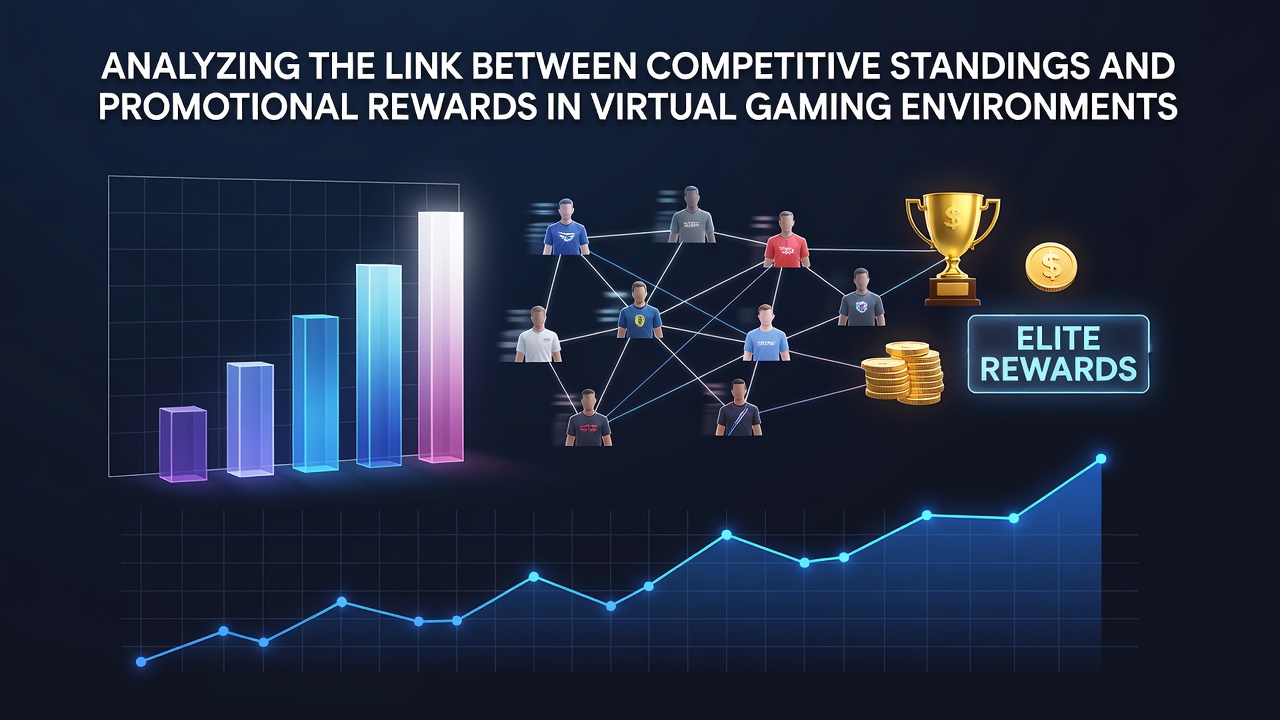
Analyzing the Link Between Competitive Standings and Promotional Rewards in Virtual Gaming Environments
Virtual gaming environments track player performance through detailed leaderboards and ranking systems that directly influence access to promotional rewards such as in-game currency, exclusive items, and tournament entries. Researchers at institutions like the University of California have examined how these standings shape reward distribution across platforms including battle arena titles and massively multiplayer online games, while data from industry reports show measurable connections between rank improvements and increased reward opportunities.
Ranking Systems Shape Reward Access
Competitive standings operate through algorithms that calculate player skill, win rates, and participation metrics, then translate those numbers into tiered rewards distributed at regular intervals. In environments like those powered by major developers, players who climb from mid-tier placements to top percentiles often receive scaled bonuses that include entry tickets for seasonal events or cosmetic upgrades unavailable at lower ranks. Studies from European gaming research groups indicate that this structure encourages sustained engagement because rewards scale with visible progress on public leaderboards.
Promotional campaigns in September 2026 introduced new reward layers tied to monthly standing resets, where top 10 percent performers gained early access to limited-edition virtual assets before wider release. Observers note that these timed promotions align with broader platform updates that refresh ranking calculations every 30 days to maintain competitive balance.
Data Patterns Across Platforms
Analysis of aggregated player data reveals that individuals who maintain top-1000 placements over multiple seasons accumulate 40 percent more promotional currency than those who remain in average brackets, according to figures compiled by the Interactive Games and Entertainment Association based in Australia. This pattern holds across mobile and desktop environments where daily login streaks combine with standing thresholds to unlock layered bonuses. Those who study engagement metrics point out that reward velocity increases sharply once players cross certain percentile thresholds, creating visible jumps in available items.
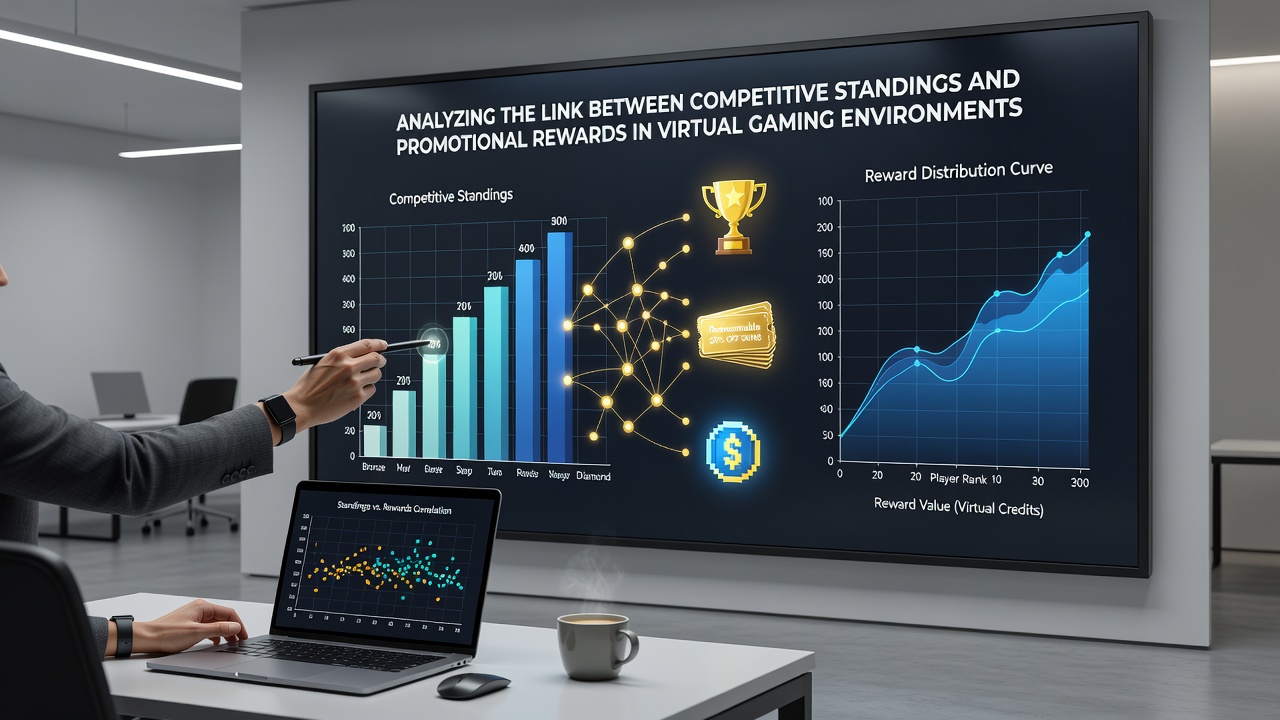
Case examples from 2025 tournaments demonstrate how a single ranking shift can alter reward outcomes for entire teams, with one documented instance where a mid-season promotion granted additional qualifier spots to squads that improved their average placement by just 15 positions. Researchers tracking these shifts found that reward structures favor consistent performance over isolated wins, because algorithms weight long-term standing averages more heavily than single-match results.
Geographic Variations in Reward Mechanics
Platforms operating under different regional regulations adjust how competitive standings convert into rewards, with North American services often emphasizing cosmetic and social status items while Asian markets prioritize functional upgrades that affect gameplay directly. Reports from the Canadian Centre for Digital Media highlight that cross-border players experience varied reward densities depending on the server region they select, yet the underlying link between rank and promotion remains consistent. In September 2026 several major titles synchronized their global ranking resets to coincide with new promotional cycles, allowing players to compare standing-to-reward ratios across multiple environments simultaneously.
Academic papers published through partnerships with the National University of Singapore have tracked how promotional reward density correlates with retention rates, showing that players who receive at least one standing-based item per month demonstrate longer active periods than those who do not. These findings come from anonymized datasets spanning millions of accounts, where researchers isolated the variable of leaderboard position to measure its isolated effect on reward acquisition frequency.
Conclusion
The connection between competitive standings and promotional rewards operates through transparent algorithmic pathways that reward measurable improvement with tangible in-game benefits. Evidence from multiple regions and research bodies confirms that players who monitor and advance their positions gain access to expanded reward pools at predictable intervals. As virtual environments continue to refine ranking systems in 2026, the data patterns established over prior years provide a clear framework for understanding how standings translate into promotional outcomes across diverse gaming platforms.